
Serving Eugene, Greater Portland, Vancouver, Everett, Bellingham, and Nearby Areas

Serving Eugene, Greater Portland, Vancouver, Everett, Bellingham, and Nearby Areas
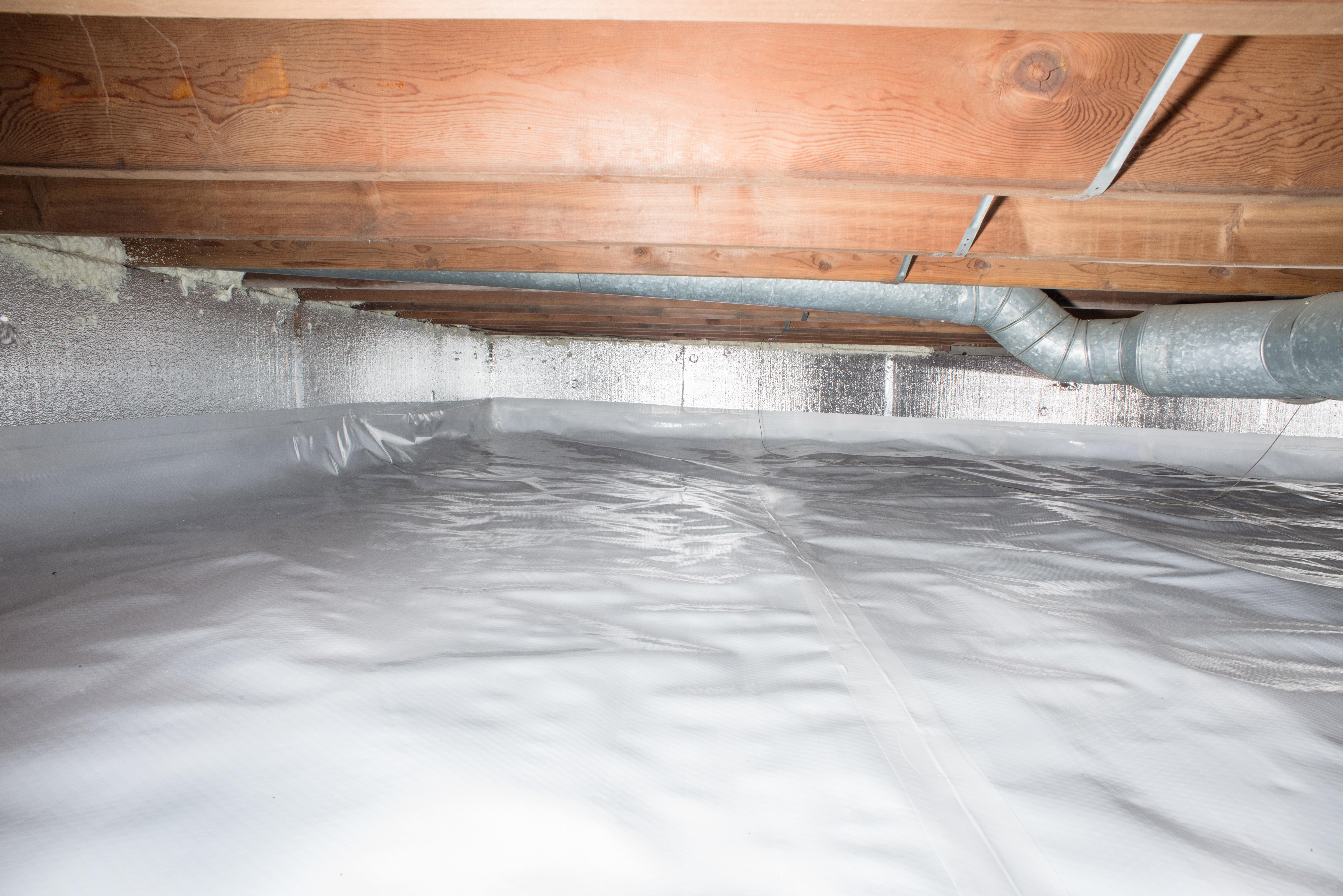
Keep moisture out of your crawl space with the CleanSpace system.
Do you have excess moisture in your crawl space? Is your home in a humid climate and prone to long periods of moisture? Maybe you're simply sick of having a swamp beneath your home — have no fear. John's Waterproofing will custom-tailor a combination of dehumidifiers, vapor barriers, and more to ensure a permanently dry environment.
Call 1-503-873-5650 or click below today to schedule a free estimate for crawl space humidity control in Portland, Salem, Vancouver, or the surrounding area.
Moisture in your crawl space comes with a host of problems, including the following:
Prevent issues with your crawl space by partnering with John's Waterproofing to keep your relative humidity levels stable!

The Sedona will keep humidity levels low.
The SaniDry Sedona dehumidifier maintains the ideal level of humidity in your crawl space. It fits easily in small crawl spaces but has a big impact on your entire home.
You can lower the humidity in your crawl space by installing a vapor barrier and dehumidifier. A vapor barrier works by preventing groundwater seepage from evaporating into the crawl space air. Our vapor barrier comes equipped with a 25-year warranty against rips and tears and prevents mold growth. A dehumidifier keeps humidity levels low and prevents moisture buildup over time.
It is important to ensure that the humidity level in your crawl space does not exceed sixty percent. In general, humidity levels in your crawl space should fall between thirty and sixty percent in order to maintain the health and structural integrity of your entire home.
If the humidity level in your crawl space surpasses sixty percent, you run the risk of attracting pests, mold growth, bacteria, and other environmental allergens. These contaminants can then result in wood rot, musty odors, and even structural damage down the road.
A dehumidifier can help stabilize humidity levels in your crawl space and keep moisture to a minimum. However, if you have standing water in your crawl space, a dehumidifier alone is not going to cut it. If you find that a dehumidifier isn't doing the trick, you may want to invest in a crawl space waterproofing and encapsulation system expertly installed by John's Waterproofing.
There are plenty of dehumidifier options available on the market. However, the problem with purchasing a dehumidifier from a store is that it may not be a good fit for your crawl space. So much can go wrong when it comes to selecting the right dehumidifier for your crawl space.
Instead, you should consider investing in our SaniDry Dehumidifier. With an auto humidistat, the unit shuts off when relative humidity is achieved, saving you money on energy costs. This differs from standard store-bought dehumidifiers, which can be major energy wasters.
If you've noticed buckling floors, climbing energy bills, mold, or pests, chances are, you are in need of a quality humidity control solution for your Portland home. We have crawl space dehumidifiers, vapor barriers, and complete crawl space encapsulation to make your crawl space concerns a thing of the past.
Call us today to schedule a free, no-obligation estimate!
John's Waterproofing proudly serves Portland, Vancouver, Salem, Eugene, Beaverton, Everett, Gresham, Bend, Bellingham, Marysville, and nearby.
Looking for a price? Get a no cost, no obligation free estimate.
our service area