

Understanding Below-Grade Condensation
Understanding Below-Grade Condensation 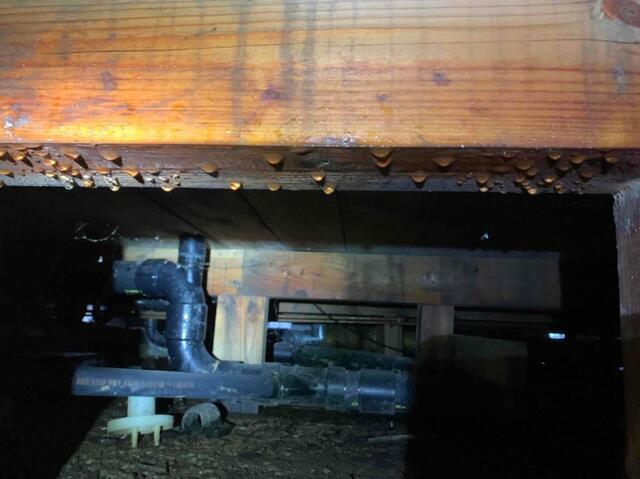
What it is and Why it Matters
When homeowners think about moisture problems, they often picture leaks or standing water. But one of the most common moisture issues we see in basements and crawl spaces actually comes from condensation. Below-grade condensation can lead to musty odors, mold growth, damaged materials, and poor air quality—often without any obvious water intrusion. At John’s Waterproofing, we help homeowners understand what’s happening beneath their homes and provide solutions that keep these spaces dry and healthy year after year.
What Is Below-Grade Condensation?
“Below-grade” refers to areas of your home that sit below ground level, like basements and crawl spaces. These spaces naturally stay cooler than the rest of your home because they’re surrounded by soil. Condensation happens when warm, humid air comes into contact with a cool surface. Think about a cold glass of water sweating on a warm day—that same process can happen on below-grade walls, pipes, ductwork, and concrete floors. When warmer air from outside or from your home reaches these cooler surfaces, moisture in the air turns into water droplets. Over time, even small amounts of condensation can create bigger issues.
Why Does It Happen?
Below-grade condensation is especially common during the summer when outdoor humidity rises. Warm air enters through vents, windows, or small openings in your foundation. Once that humid air meets cool concrete or cooler crawl space air, moisture forms.
A few common causes include:
- High humidity levels outdoors or inside the home
- Poor ventilation in basements or crawl spaces
- Unsealed foundation walls or openings
- Bare concrete surfaces that stay cool year-round
- Temperature differences between indoor and outdoor air
Even if there’s no leak or visible standing water, condensation can quietly add moisture to your home over time.
Signs to Watch For
Below-grade condensation can show up in several ways:
- Damp walls or floors
- Water droplets on pipes or foundation walls
- Musty or stale odors
- Mold or mildew growth
- White mineral deposits on concrete
- Peeling paint or staining
- Increased humidity throughout the home
With over 40% of the air in your home coming from the basement or crawl space, moisture below your home can impact comfort throughout the entire house.
How John’s Waterproofing Can Help
Every home is different, which is why the best solution starts with a professional inspection. At John’s Waterproofing, we identify the source of moisture and recommend the right long-term fix. Since 1974, we have been addressing below-grade water issues, and providing the best in the industry solutions. A major piece of any solution is the dehumidifier. We offer SaniDry dehumidifiers, which remove the excess moisture from the air, sending it into the sump pump so you don't have to worry about emptying the water out as your home is cared for. While condensation may seem minor at first, over time it can affect your home’s structure and indoor air quality. Taking care of moisture early helps protect your investment and keeps your home healthier year-round.
If you’ve noticed dampness or musty smells in your basement or crawl space, the team at John’s Waterproofing is here to help. We’re proud to provide trusted waterproofing solutions and peace of mind for homeowners.