Serving Eugene, Greater Portland, Vancouver, Everett, Bellingham, and Nearby Areas

Serving Eugene, Greater Portland, Vancouver, Everett, Bellingham, and Nearby Areas
Click on a photo to enlarge.
This home would flood each year when heavy rains occurred. The homeowners wanted to put an end to this issue so they called up John's Waterproofing to get a free inspection and a solution for their homes issues. We installed a full interior perimeter WaterGuard system, CleanSpace wall system, TripleSafe sump pump, and a SaniDry dehumidifier to ensure this space remains dry and healthy.
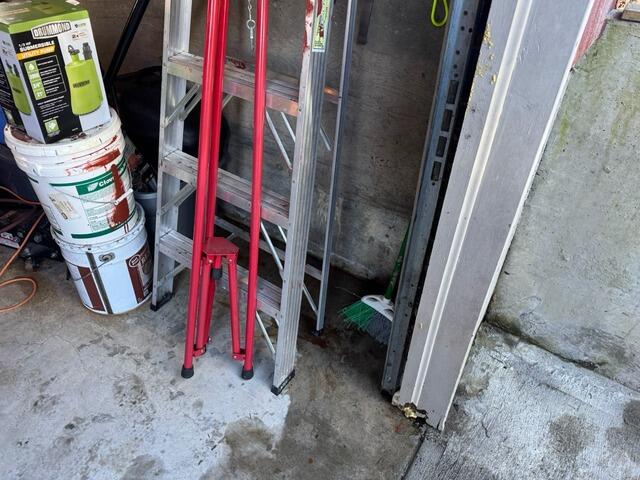
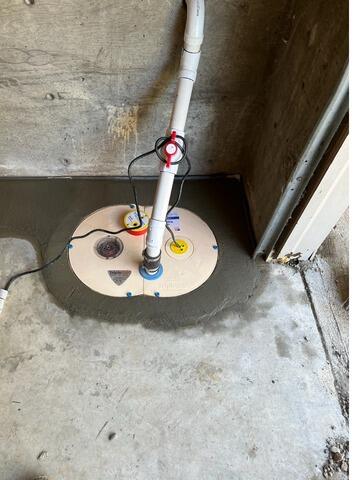
This homes below grade garage was experiencing water intrusion and it began to worry the homeowners especially after all of the rain. They wanted to find a solution that would address the water intrusion and give them peace of mind to make sure their personal belongings were safe. We went out for a free visit and inspected the inside of this garage and the outside of the foundation. Once we saw where the water was entering from, we met with the homeowner to go over the best options to solve this issue. We begin this project by using a jack hammer to create a trench around the interior perimeter of the wall and in this trench. Within this, we place clean gravel rock and our WaterGuard system. This is our perimeter drainage system that collects water that enters, whether that's ground water or from the walls, and this is then concreted over to provide a discreet look. Then at the lowest point of the space we install our SuperSump system that will take all of this collected water and pump it outside of the home through a discharge line. Now that the water will have a safe and reliable passage, these homeowners no longer have to worry about their belongings getting wet.
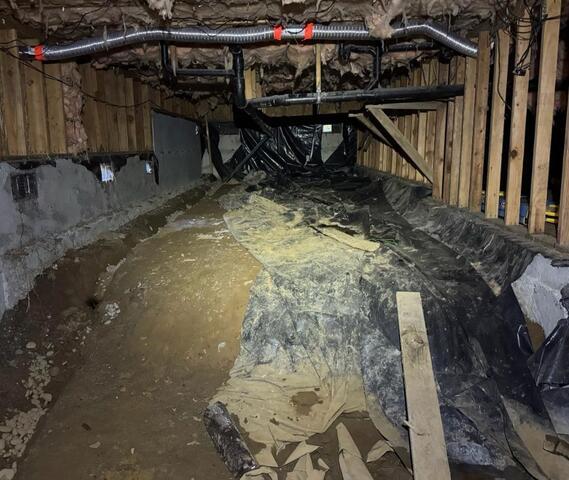
A large crawl space in Clatskanie had yet to see better days. When a call came into John's Waterproofing, our crew was ready to make that happen. A design specialist came out to the home to inspect what was going on. Fiberglass insulation fell onto the ground, trash piled up, dirt and debris covered the space, and the worst part: standing water. After devising a plan alongside the homeowners, we got right to work.
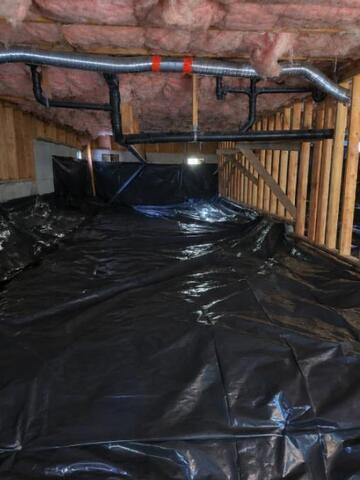
First things first, all bits of debris were cleared out of the crawl space. Once a clean slate was made, a trench was dug along the interior perimeter of the crawl space, allowing room for a Perf Pipe to be installed. This drainage system, wrapped in a silt sock for protection against dirt and debris, takes excess water and directs it to a sump pump. Next, a TripleSafe sump pump was installed in the lowest point of the crawl space for minimal resistance from the Perf Pipe. The TripleSafe provides the most efficient water removal, featuring three separate pumps inside. Lastly, a brand-new 6-mil vapor barrier was laid across the dirt floor, keeping the ground moisture in the soil and not in the crawl space. This home was finally protected, and the crawl space was prepared to fight whatever the weather might bring.
Stephen had water coming into his basement and knew this was going to create mold and damage. He called into John's Waterproofing after seeing our trucks out n about and got an appointment scheduled with Vinny for a free inspection. Vinny suggested installing a WaterGuard draining system with a SaniDry dehumidifier and TripleSafe sump pump. Once completed, ThermalDry Tile will be installed to further waterproof the floor along with giving the basement a nice, finished look.
Look at the difference the Cleanspace basement wall system makes in this basement. It's a moisture barrier that gives your basement a clean bright look!
our service area